LIVIGNO, Italy — At roughly 2:30 in the afternoon Wednesday, as the three medalists in women’s aerials celebrated and prepared to take their places on the podium, freestyle skier Kaila Kuhn made her way through the media zone.
She had hoped, even perhaps planned, to be changing into the puffy, sparkling white suits Team USA brings for medal ceremonies. Instead she was here, still wearing here helmet and goggles, answering questions about why she wasn’t able to land the trick she had envisioned in her mind.
“The ladies that made it on the podium had their best day,” Kunh said. “And I didn’t.”
Of course, that wasn’t quite the full story. About half an hour before that, Kuhn was down to her last chance to make the cut for the six-person final where previous scores are erased and it all comes down to one takeoff, one trick and one landing.
And she absolutely nailed it, just as you’d expect for someone who won the World Championships in aerials last year.
But when it came time to do it again — one jump for the whole thing?
All it took was one little mistake, a slight loss of balance on the landing. And just like that, the four-year clock began on her next chance at an Olympic medal in her most important event.
“I went into the last Olympics really excited to be there. It’s a privilege that I have worked so hard over these last four years that I am upset that I didn’t get a medal (this time),” the 22-year-old said. “It’s just a little bit gut-wrenching missing that podium.”
At practically the same moment, on the other side of the country in Cortina, someone who has grown to know far too much about that kind of disappointment was feeling entirely different emotions.
A third Olympic gold medal for Mikaela Shiffrin won’t really change much about her career or her place in Alpine skiing history. But in the present moment, after eight years of answering questions — and perhaps indulging her own doubts — about whether she was going to do it again when it mattered most, all it took was one race to never have to deal with allthat ever again.
But that’s the Olympics: Four years of narrative hinging on one run, one race decided by a fraction of a second, one score, multiplied for Team USA across 232 athletes.
It’s absurd to judge a competitor, much less an entire national effort, on an endeavor where the margins are so ridiculously thin and the range of emotions for individuals will be so wildly different as they leave the Milan Cortina Games.
And yet, with a little more than four days of Olympics remaining, it seems appropriate time to ask: Is 2026 shaping up to be a success or disappointment for an American contingent that came here with high hopes of surpassing the record 37 medals it won in Vancouver 16 years ago?
It’s probably a mixed bag.
As of Wednesday afternoon, Team USA stood in third place on the medal table with 24 total — only one behind second-place Italy — but the expected gold rush led by American stars has not materialized. Given what’s left, surpassing 37 seems like a long shot. However, with seven gold medals at this stage and some prime opportunities remaining thanks to both hockey teams and speed skater Jordan Stolz, there’s a decent chance the U.S. can surpass its high-water mark of 10 golds set at the 2002 Games in Salt Lake City.
Will that be a cause for celebration or reason to lament missed opportunities? It’s fair to consider both.
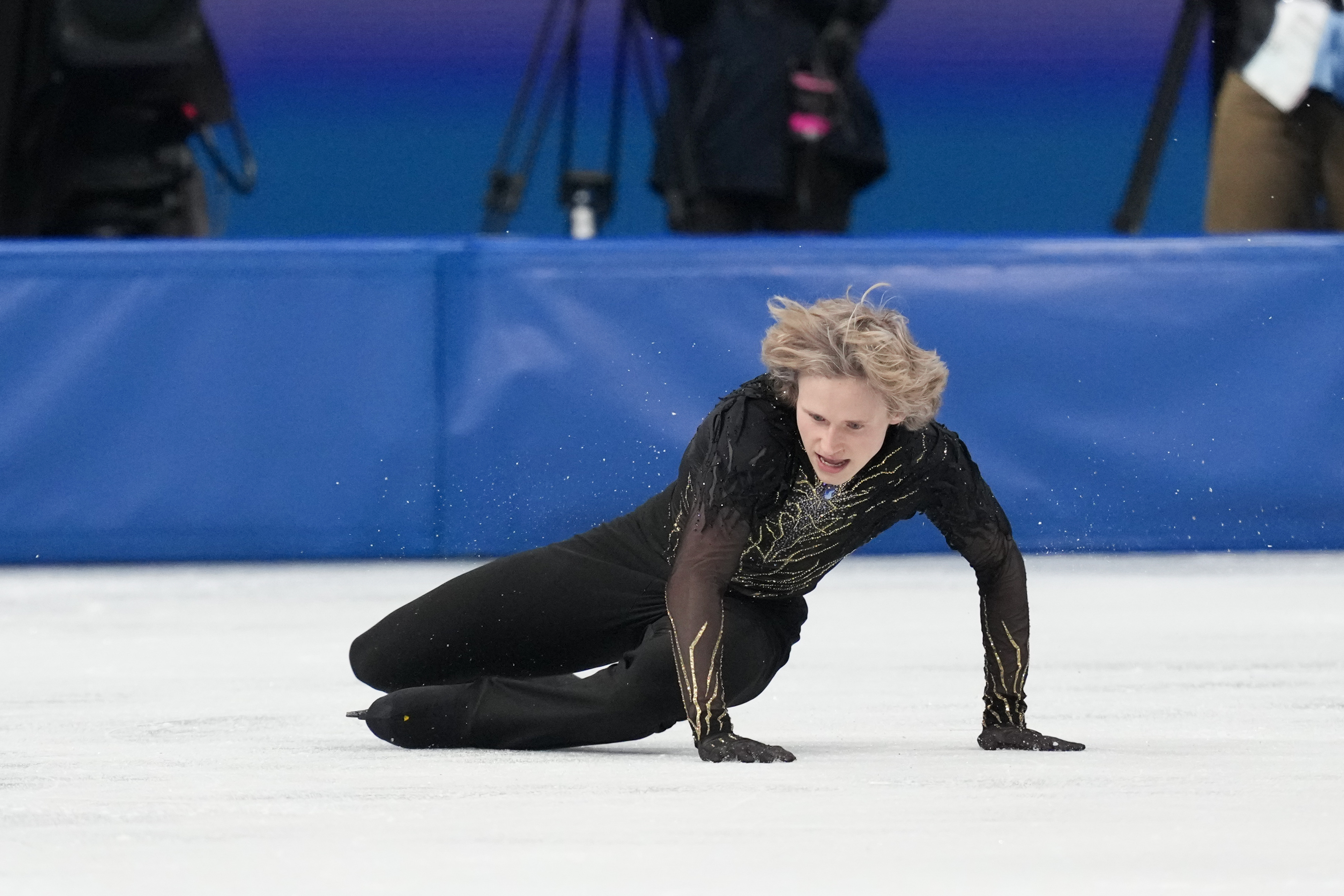
On one end of the spectrum, there’s Elizabeth Lemley, the 20-year old who stunned the field to win women’s moguls. On the other, there’s Ilia Malinin’s stunning meltdown in men’s singles as the overwhelming favorite. While improving from one Alpine medal in Beijing to four this year is a smashing success, it’s a bit stunning to see Team USA sitting at just two medals (and no golds) in snowboarding — a sport America invented and exported to the rest of the world.
In many ways, no matter where the U.S. ends up in the final medal count, 2026 could go down as the year of small margins and what-ifs.
What if Lindsey Vonn, who was skiing at an exceptionally high level, hadn’t torn her ACL fewer than two weeks before the start of the Games? What if Chloe Kim, who was good enough to win silver in halfpipe anyway, hadn’t torn up her shoulder in training and missed valuable practice time? What if the judging panel in free ski big air had appreciated Mac Forehand’s never-done-before trick with six rotations off a nose butter takeoff a little more than the trick executed by Norway’s Tormod Frostad? What if cross country skier Jessie Diggins hadn’t been skiing hurt when she took bronze in the 10 km freestyle? What if the U.S. mixed curling team hadn’t made one or two crucial mistakes in the last few moments of a gold medal match against Sweden they were favored to win?
What if Kuhn had been able to land the run she had in her mind when she stood at the top of the hill Wednesday, knowing a few seconds was going to win or lose a medal?
At the same time, this is what the athletes sign up for. They all know that. One chance — sometimes one jump — defines four years of work. There’s no choice but to live with it.
“Absolutely,” Kuhn said. “That’s just kind of the way the cloth is cut.”
But the story is not yet written. More days, more events, more medals remain out there for dozens more American athletes who will leave here either ecstatic or heartbroken and begin the long climb once again.
That’s what makes the Olympics so special and why we must savor every moment still to come.