 English
 Indian
 العربية
 Español
 Deutsch
 Türkçe
 Русский
 Français (Afrique)

Jason Heyward retired in April 2026 after a 15-season MLB career, leaving behind a legacy of quiet excellence, leadership, and loyalty. Known for his defensive brilliance and clutch performances, he helped break the Chicago Cubs' World Series drought in 2016 and earned five Gold Gloves. Heyward’s impact went beyond stats, shaping clubhouse culture and earning respect across baseball.
Jason Heyward Steps Away: A Quiet Legend Closes the Chapter
The crack of the bat echoed through stadiums for two decades, but on a Tuesday morning in early April 2026, a different kind of silence filled the air. No cleats clicking on concrete, no early-bird batting practice, no late-night clubhouse jokes. Instead, a simple statement appeared on a team website, announcing the end of a career that began when Jason Heyward was barely old enough to vote. He was 36, not ancient by modern standards, yet baseball has a way of making even the most ageless heroes feel the weight of time. Heyward leaves behind a legacy that stretches far beyond his 1,800 hits or 150 home runs. He leaves behind a game that he helped reshape—not with a thunderous swing or a blazing fastball, but with the quiet dignity of a man who played the long game, both on and off the field.
His retirement didn’t come with viral tours or weeks of headlines. There were no emotional press conferences broadcast on ESPN, no farewell tour stops in every city. Instead, it arrived with the understated finality of a player who always preferred to let his glove, his bat, and his character do the talking. The Associated Press reported the news on April 1, 2026, framing it as the quiet conclusion to a career that began in 2007 when he debuted as a teenager in Atlanta. He leaves as one of the last links to an era when players stayed with one team for a decade, when loyalty wasn’t a buzzword but a badge. Though he spent his final years with the Los Angeles Dodgers, the heart of his story remains tied to the Braves, the team that drafted him seventh overall out of high school in Henry County, Georgia. That draft pick wasn’t just a transaction. It was the beginning of a bond that would outlast contracts and trades, a connection that turned a phenom into a leader, a rookie into a mentor, and a star into something rarer still: a man respected by teammates, opponents, and fans alike.
What makes Heyward’s departure notable isn’t the absence of his name from box scores—it’s the presence of his influence in the fabric of the game. He wasn’t the fastest, the strongest, or even the loudest player on the field. But he was always there, standing in right field with a glove that seemed to swallow line drives whole, stepping into the batter’s box with a swing so smooth it looked effortless, and walking off the field with a nod that said more than any speech ever could. His career spanned three decades in real time, from the final years of the Steroid Era to the analytics-driven, shift-heavy modern game. He adapted. He endured. He thrived. And when the moment came to walk away, he did so with the same grace he’d shown every time he stepped onto the diamond.
A Career of Quiet Excellence
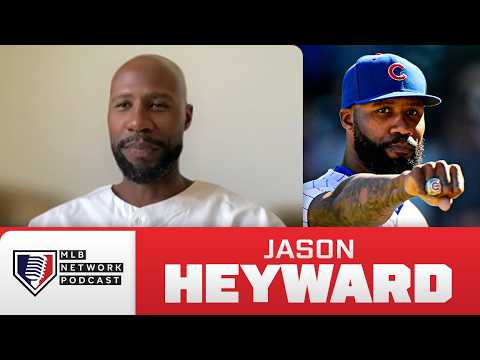
Jason Heyward’s numbers tell a story of steady, unflashy greatness. Over 15 seasons, he compiled a .262 batting average, 151 home runs, and 794 RBIs. Those aren’t Hall of Fame numbers, and Heyward never chased them with flashy highlights or viral moments. Instead, his value lay in the things that don’t show up in box scores: the diving catches, the clutch walks, the way he turned right field into an extension of his body. He was a five-time Gold Glove winner, a World Series champion, and an All-Star, but his legacy wasn’t built on trophies. It was built on reliability.
- Jason Heyward retired in April 2026 after a 15-season MLB career.
- He debuted with the Atlanta Braves in 2007 as a 19-year-old phenom.
- Heyward won five Gold Gloves and was a key part of the Cubs’ 2016 World Series win.
- He played for six teams but was known for his loyalty and leadership on and off the field.
- His retirement was announced with understated finality, reflecting his humble approach.
- Heyward’s impact went beyond stats, shaping clubhouse culture and earning respect across baseball.
- He adapted to baseball’s evolution from the Steroid Era to the modern analytics-driven game.
Heyward’s most famous moment came in 2016, when he was part of the Chicago Cubs team that finally broke the franchise’s 108-year World Series drought. His defense in right field was a cornerstone of that championship run, and his leadership in the clubhouse helped shift the culture of a franchise that had long been defined by heartbreak. Yet even in that triumphant season, Heyward let his actions speak louder than words. When the Cubs paraded through Chicago after their historic win, he wasn’t the one giving speeches or seeking the spotlight. He was the guy in the background, doing the little things that kept the team on track.
His journey wasn’t a straight path. After debuting with the Braves in 2007 as a 19-year-old phenom, he was traded to the Cardinals in 2014 before finding a home with the Cubs in 2016. He later played for the Dodgers, Cardinals again, Astros, and Padres, each stop adding a new layer to his story. In San Diego, he appeared in 34 games during his 16th and final season, a quiet capstone to a career that saw him wear four different uniforms. Yet no matter where he played, his approach remained the same: show up, do the job, and leave the ego at the door.
The Intangibles That Defined a Generation
Heyward’s impact extended far beyond his on-field contributions. He was the kind of player who made everyone around him better, the kind of teammate who turned a clubhouse of stars into a family. His work ethic was legendary. Teammates and opponents alike often spoke about the way he carried himself—always prepared, always professional, never cutting corners. In an era where players move from team to team with alarming frequency, Heyward stood out for his loyalty. He spent his prime years with the Braves and Cubs, two franchises that shaped him as both a player and a person.
"His glove seemed to swallow line drives whole, and his swing looked effortless—proof that greatness doesn’t need to be loud."
"He wasn’t the fastest or strongest, but he was always there, doing the little things that made everyone around him better."
"Loyalty wasn’t a buzzword for him—it was a badge he wore with quiet pride."
"When the moment came to walk away, he did so with the same grace he’d shown every time he stepped onto the diamond."
What set him apart wasn’t just his talent but his presence. He was the guy who took rookies under his wing, who mentored younger players without demanding recognition, who showed up every day with the same quiet intensity whether the team was winning or losing. His leadership wasn’t loud or performative. It was steady, consistent, and earned through years of showing up and doing the work. In a game often criticized for its selfishness, Heyward was a rare exception—a player who understood that baseball was bigger than individual stats or highlights.
His retirement announcement carried a tone of gratitude rather than regret. “I look forward to being on the other side of the game,” he said, reflecting on a career that saw him transition from phenom to veteran to mentor. He spoke of the joy he found in the game, not the pressure or the expectations. That mindset was rare in a sport where players often burn out or burn bridges. Heyward’s ability to stay grounded while rising to the top was a testament to his character.
The Evolution of a Player in Changing Times
Heyward’s career unfolded during one of the most transformative eras in baseball history. He debuted in 2007, at the tail end of the Steroid Era, and played through the rise of analytics, the shift-heavy defensive alignments, and the ever-increasing emphasis on launch angles and exit velocities. Yet he adapted without ever compromising his identity. He wasn’t the fastest or the strongest, but he was always in the right place at the right time. His defensive metrics were consistently elite, and his ability to draw walks made him a valuable table-setter in an era where runs were at a premium.
His offensive numbers never matched his defensive reputation, but that wasn’t the point. Heyward’s value lay in his ability to do the little things that don’t always show up in the box score. He was a master of the two-strike approach, fouling off tough pitches until he got one he could handle. He was a patient hitter who understood the art of working counts, even if his power numbers weren’t eye-popping. In an era where home runs were king, he carved out a niche as a player who could contribute in multiple ways.
His career also coincided with a shift in how players were perceived. When he first broke into the league, rookies were expected to keep their heads down and let their play do the talking. By the time he retired, the game had changed. Players were more vocal, more visible on social media, more willing to share their thoughts and personalities with the world. Heyward, though, stayed true to himself. He didn’t chase clout or controversy. He let his play speak for him, and when he stepped away, he did so with the same quiet dignity that defined his career.
The Legacy of a Man Who Played the Long Game
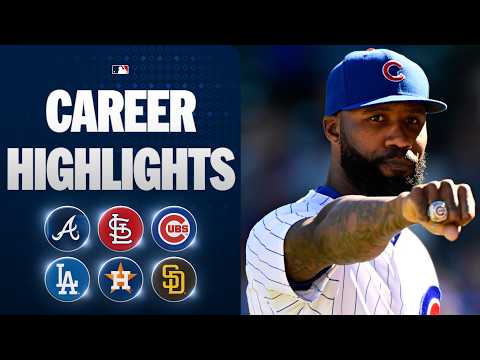
Heyward’s retirement marks the end of an era in more ways than one. He was one of the last players to experience the game before the explosion of social media, before the 24-hour news cycle, before players were expected to be personalities first and athletes second. His approach was refreshingly old-school: focus on the game, respect the history, and let the results speak for themselves.
Yet his impact extends beyond nostalgia. In an era where contracts are often measured in years rather than loyalty, Heyward’s career was a reminder of what it meant to play for the love of the game. He wasn’t in it for the money or the fame. He was in it because he loved baseball, because he respected the tradition, and because he wanted to leave the game better than he found it.
- Jason Heyward retired after 15 seasons, leaving a legacy built on quiet excellence and leadership.
- His defensive brilliance and clutch performances defined his career, earning five Gold Gloves.
- Heyward helped the Cubs win the 2016 World Series, ending their 108-year drought.
- He played for six teams but was known for his loyalty and professionalism.
- His retirement was marked by understated finality, reflecting his humble approach to the game.
As the final chapter of his career closes, Heyward leaves behind a blueprint for how to play the game the right way. He wasn’t the flashiest, the loudest, or the most statistically dominant. But he was one of the most respected, one of the most reliable, and one of the most quietly impactful players of his generation. His retirement isn’t the kind that makes headlines for weeks. It’s the kind that makes you appreciate the game a little more, the kind that reminds you that greatness isn’t always measured in loud moments or viral clips. Sometimes, it’s measured in the way a player carries himself, in the way he lifts up those around him, and in the way he steps away with grace and gratitude.
FAQ
- How many teams did Jason Heyward play for during his MLB career?
- Jason Heyward played for six MLB teams during his career: the Atlanta Braves, St. Louis Cardinals, Chicago Cubs, Los Angeles Dodgers, Houston Astros, and San Diego Padres. He debuted with the Braves in 2007 and finished his career with the Padres in 2025.
- What was Jason Heyward’s most notable achievement in baseball?
- Heyward’s most notable achievement was being part of the Chicago Cubs’ 2016 World Series championship team, ending the franchise’s 108-year title drought. His defensive play in right field and leadership were key to the Cubs’ success, though he avoided the spotlight in favor of letting his actions speak.
- Why is Jason Heyward’s retirement considered quiet?
- Heyward’s retirement was described as quiet because it lacked the fanfare of press conferences, farewell tours, or viral moments. Instead, the announcement came with understated finality, reflecting his preference for letting his performance and character define his legacy.
- What made Jason Heyward stand out as a player beyond his statistics?
- Heyward stood out for his intangibles: elite defensive skills, clutch hitting, and unmatched professionalism. He earned five Gold Gloves for his glove work, turned right field into a defensive fortress, and was known for his work ethic, loyalty, and ability to elevate teammates.
- How did Jason Heyward adapt to changes in baseball over his career?
- Heyward adapted to baseball’s evolution from the Steroid Era to the analytics-driven, shift-heavy modern game. He remained a consistent performer, evolving his approach to hitting and defense while maintaining his reputation for reliability and leadership.
Baseball will keep turning, new stars will rise, and the game will keep evolving. But the standard Jason Heyward set—one of quiet excellence, unwavering professionalism, and steadfast loyalty—will remain a benchmark for players to strive toward. His career wasn’t about the numbers or the accolades. It was about the love of the game, and that’s a legacy that will outlast any stat line.