 English
 Indian
 العربية
 Español
 Deutsch
 Türkçe
 Русский
 Français (Afrique)

Stephan Jäger in Yokohama: Mit starkem kurzen Spiel Richtung Top 100


Stephan Jäger liegt im FedExCup Fall auf Rang 85. In Yokohama will der Münchner den Abstand zur Top-100-Grenze und damit zur vollen Tourkarte vergrößern.
Für Stephan Jäger geht es in den letzten Wochen der PGA-Tour-Saison um seine Spielberechtigung für 2027. Wer nach dem Saisonfinale, der RSM Classic im November, in der Punkteliste des FedExCup Fall unter den besten 100 steht, behält die volle Tourkarte. Die Plätze 101 bis 125 erhalten nur noch einen eingeschränkten Status. Vor der Baycurrent Classic in Yokohama (8. bis 11. Oktober) liegt der 37-Jährige auf Rang 85 dieser Liste. Das ist ein Polster, aber noch keine Sicherheit.
Für die Play-offs hatte es in diesem Jahr nicht gereicht. Nach der regulären Saison stand Jäger auf Rang 83 des FedExCup, weiter kamen nur die besten 70. In bislang 23 Turnieren der Saison schaffte er 14-mal den Cut, dreimal landete er unter den besten zehn, sechsmal unter den besten 25. Ein Sieg wie 2024 bei der Houston Open, als er sich vor Scottie Scheffler durchsetzte, gelang ihm 2026 noch nicht.
Die Formkurve zeigt leicht nach oben
Zuletzt gab es Grund zur Hoffnung. Bei der Bank of Utah Championship in der Vorwoche wurde Jäger mit 16 unter Par geteilter 26. Davor stand ein geteilter 57. Platz bei der Biltmore Championship in Asheville, bei der Wyndham Championship im August hatte er den Cut verpasst. Sein bestes Ergebnis aus den vergangenen zehn Starts ist ein geteilter 15. Rang bei der ISCO Championship im Juli.
Die Stärke: das kurze Spiel
Die Statistik zeigt, wo Jäger in diesem Jahr Schläge gewinnt und wo er sie liegen lässt. Rund ums Grün gehört er zu den Besten der Tour: In der Kategorie „Strokes Gained Around the Green“ steht er auf Rang 19, beim Putten auf Rang 44. Vom Tee verliert er dagegen Schläge auf das Feld (Rang 136), obwohl er mit durchschnittlich 312,5 Yards zu den Längeren gehört (Rang 40).
Genau das kurze Spiel könnte in Yokohama helfen. Der West Course des Yokohama Country Club ist ein von Bäumen gesäumtes Par 71 mit 7.322 Yards. Wer Grüns verfehlt, braucht ein gutes Händchen beim Chippen, um Pars zu retten. Über die vergangenen acht Wochen gerechnet liegt Jäger in dieser Kategorie unter den Teilnehmern dieser Woche auf Rang fünf, gleichauf mit Wyndham Clark.
Erster Auftritt in Yokohama
Den Platz kennt Jäger noch nicht aus dem Wettkampf: Bei der Premiere der Baycurrent Classic 2025 stand er nicht im Feld. Japan dagegen schon. 2023 spielte er die Zozo Championship in Narashino, das Turnier, das die Baycurrent Classic als Japan-Station der PGA Tour abgelöst hat. Mit Runden von 69, 73, 65 und 70 Schlägen wurde er dort geteilter 40.
Einen Cut gibt es in Yokohama nicht. Jäger spielt also alle vier Runden und nimmt in jedem Fall FedExCup-Punkte mit. Dem Sieger winken 500 Punkte und ein Anteil am Preisgeld von acht Millionen US-Dollar.
Mit dem Vorjahresdritten im Flight
Zum Auftakt geht Jäger am Donnerstag um 2:07 Uhr deutscher Zeit (9:07 Uhr Ortszeit) an Tee 1 auf die Runde. Mit ihm spielen Michael Thorbjornsen, der die Baycurrent Classic 2025 als Dritter beendete, und Matt McCarty. Am Freitag startet die Gruppe um 2:13 Uhr deutscher Zeit an Tee 10. Magenta Sport überträgt alle vier Runden jeweils ab 5:00 Uhr.
Wer sonst noch in Yokohama abschlägt, steht in unserer Vorschau auf die Baycurrent Classic. Alle Ergebnisse gibt es im Baycurrent Classic Leaderboard.
The post Stephan Jäger in Yokohama: Mit starkem kurzen Spiel Richtung Top 100 appeared first on Golf Post.
Prime Day PS5 deals end today: the best console, game, and accessory savings I've found in the sale

Prime Day PS5 deals are rolling on, and with a fresh day of savings come some casualties. I've seen a number of prices jumping back up the ladder this morning, including one of our top picks from earlier in the sale, Pragmata. That means things are certainly moving in Sony's world, if you see a price you like it's worth getting in there.
These offers officially close out at midnight tonight, but that's just the end of Prime Day PS5 deals as we know them today. In reality, we're likely to see a lot of these discounts repeated over the next few weeks as the run up to Black Friday PS5 deals intensifies.
Right now, there are plenty of offers still standing. First up, though, for those hunting down a PS5 console, there's very little chance of the devices themselves seeing any serious price cuts. 2026 has been plagued by inflated rates, which means the best way to buy a PS5 right now is to go refurbished via Sony itself. PS Direct has both disc and digital models for $100 less than their new MSRPs this week.
More of this year's Prime Day PS5 deals are going to serve those already with a console with the best PS5 accessories and the best PS5 games a lot better.
We prioritize value and performance in every gadget we feature, so this guide is free from cheap tat. Instead, we're focusing on the tech and games we've had in our own setups over the last few years and recommend everyday. Not only that, but we're concentrating our efforts around record-low (or the year's best) prices. That means you're getting Prime Day PS5 deals on the best tech at the best price.
Quick links
- PS5 Disc: $549 (refurbished) at PS Direct
- PS5 Digital: $499 (refurbished) at PS Direct
- Games: from $8.97 at Amazon
- Controllers: from $39.99 at Amazon
- Headsets: Turtle Beach from $34.99
- Monitors: from $219 at Amazon
Best Prime Day PS5 deals
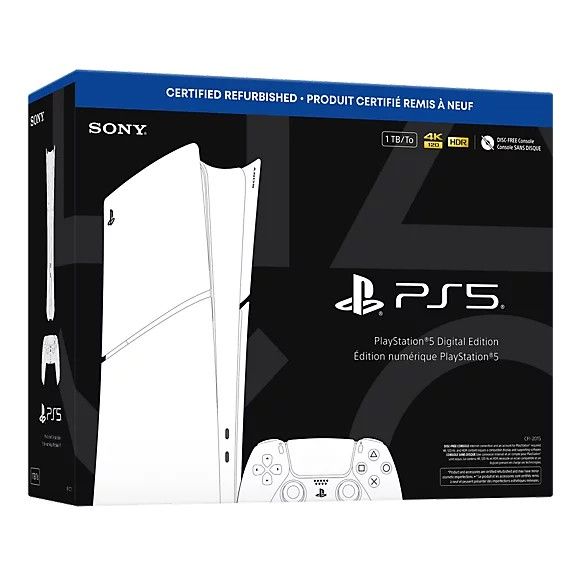
PlayStation 5 Digital Edition (certified refurbished): was $599 now $499
This is the only way to save on a Digital Edition PS5 at the moment, by grabbing a certified refurbished model from Sony. That drops the price from $599 to $499 on the exact same console, albeit one that's been through Sony's office an extra time.
Disc Edition | $649 $549 at PS DirectView Deal
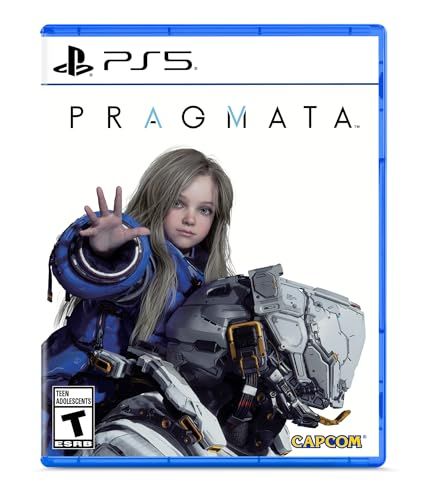
Pragmata is seeing a $20 discount in today's Prime Day PS5 deals. That's a record-low price I haven't seen before, $10 cheaper than the $49.99 we saw last month.
Read more: Pragmata reviewView Deal
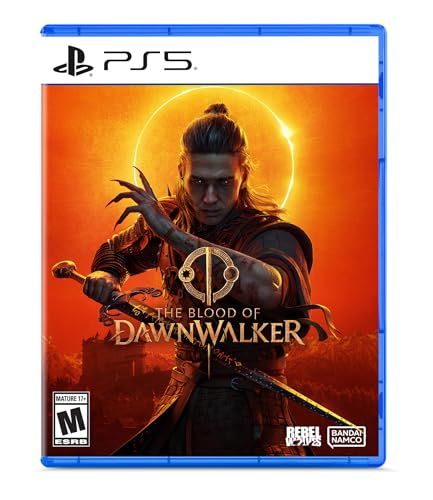
The Blood of Dawnwalker: Day 1 Edition: was $69.99 now $59.49
The Blood of Dawnwalker has taken its biggest discount yet this Prime Day. The newer PS5 release has dropped to $59.49 for its first ever departure from that $69.99 MSRP.
Read more: The Blood of Dawnwalker reviewView Deal
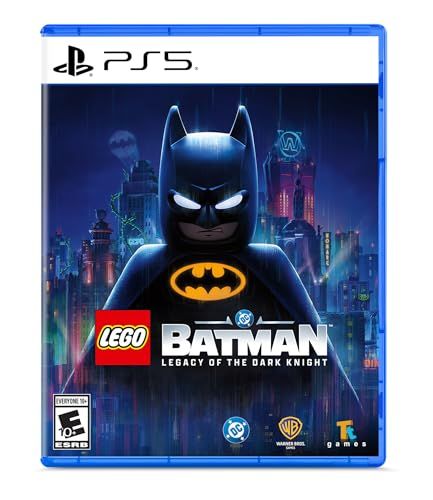
Lego Batman: Legacy of the Dark Knight - Playstation 5: was $69.99 now $59.99
Lego Batman is taking its first ever price cut ahead of Amazon Prime Day. You'll find the PS5 edition down to $59.99 at Amazon right now, for $10 off the listing price of the 2026 hit.
Read more: Lego Batman: Legacy of the Dark Knight reviewView Deal
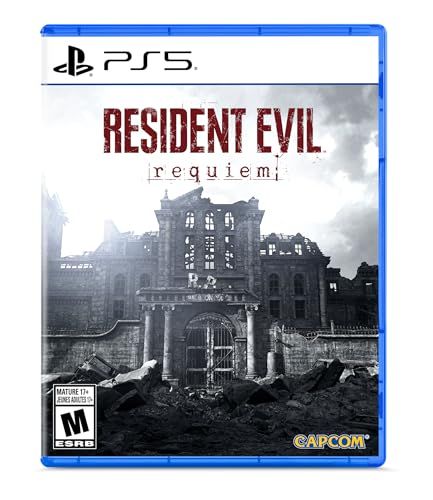
Resident Evil Requiem Amazon Exclusive Edition - Playstation 5: was $69.99 now $49.99
Resident Evil Requiem is also seeing some of its first major savings, dropping to $49.99 for the first time in its life. That's a $20 saving on the $69.99 MSRP - a price that hasn't seen too much wiggle room beyond $50 so far.
Read more: Resident Evil Requiem reviewView Deal
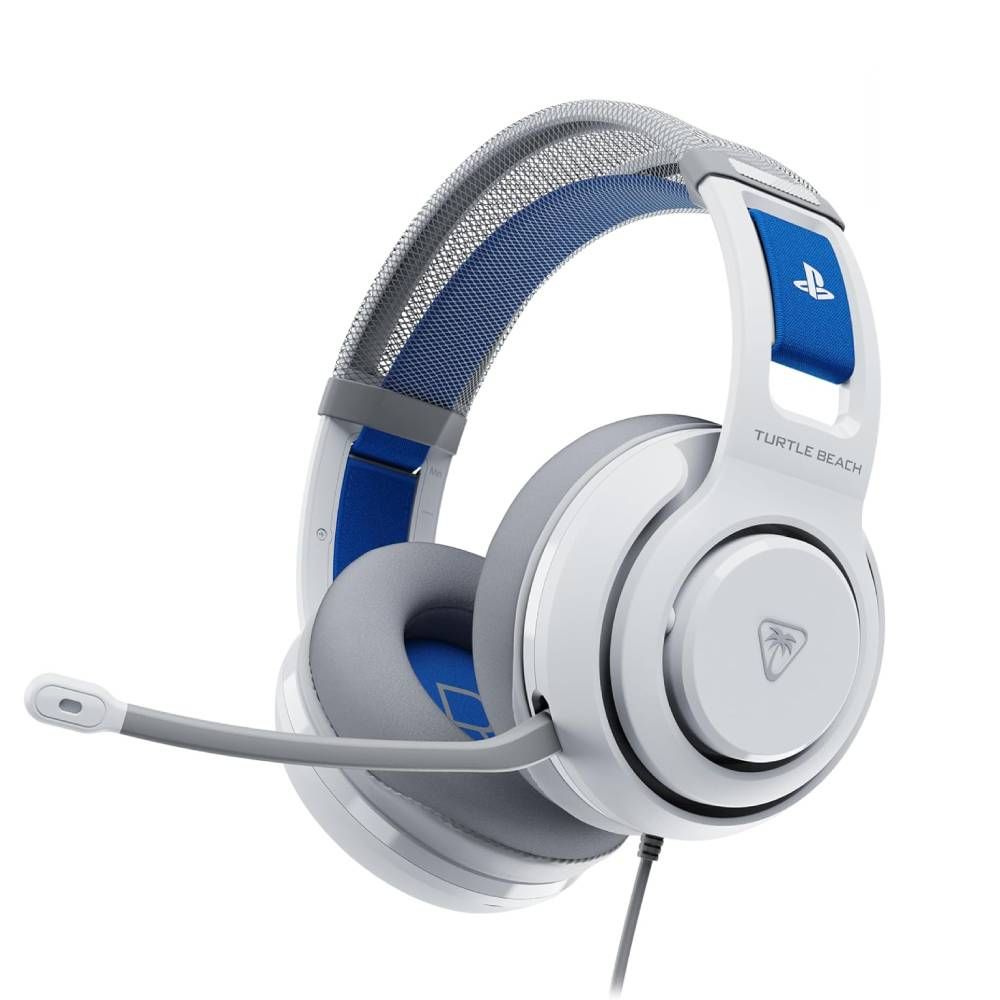
Our go-to budget headset for the PS5 has seen an additional saving this week. The Turtle Beach Atlas 200 still provides powerful audio through that easy wired connection, but it's doing all that at a $34.99 price tag ahead of official Prime Day PS5 deals.
Read more: Turtle Beach Atlas 200 reviewView Deal
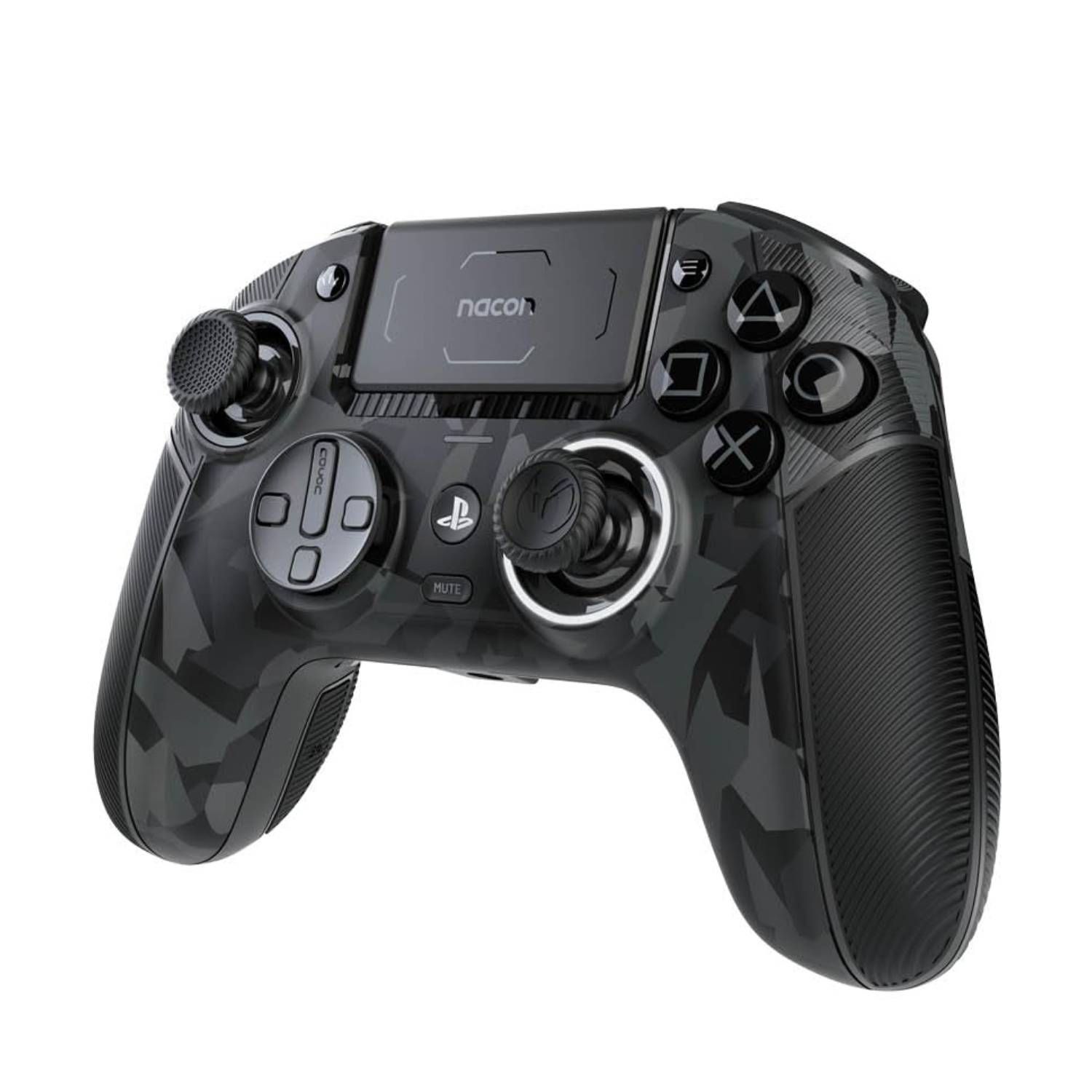
The Nacon Revolution has been a few bucks cheaper, but that was way back in January of last year. Considering we haven't seen this $123 position on one of our favorite PS5 gamepads in more than 12 months, and it's only ever dropped to $119 in cheaper sales before, this is still a must-see.
Read more: Nacon Revolution 5 Pro reviewView Deal
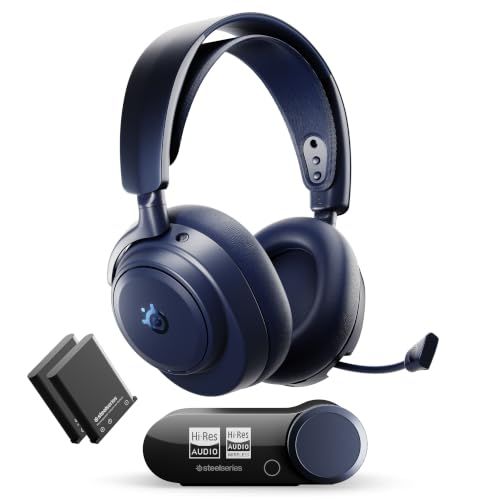
From one extreme to the other, the SteelSeries Arctis Nova Pro Omni is our favorite headset overall, but at $400 it commands quite the price tag. This is the first time I've seen it drop below $379.99 when on sale, though, for a brand new record-low of $344.99.
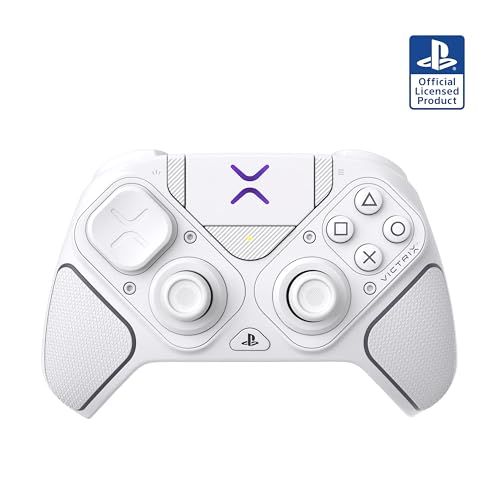
Victrix Pro BFG Reloaded (PS5): $209.99
The Turtle Beach Victrix Pro BFG Reloaded is one to watch this Prime Day. There aren't any early discounts on our top contender for the system, but it hasn't been immune to discounts in the past and it's looking suspiciously high up its own price range at the moment. That smells like a discount is imminent. View Deal
Live updates
When to wait for Black Friday
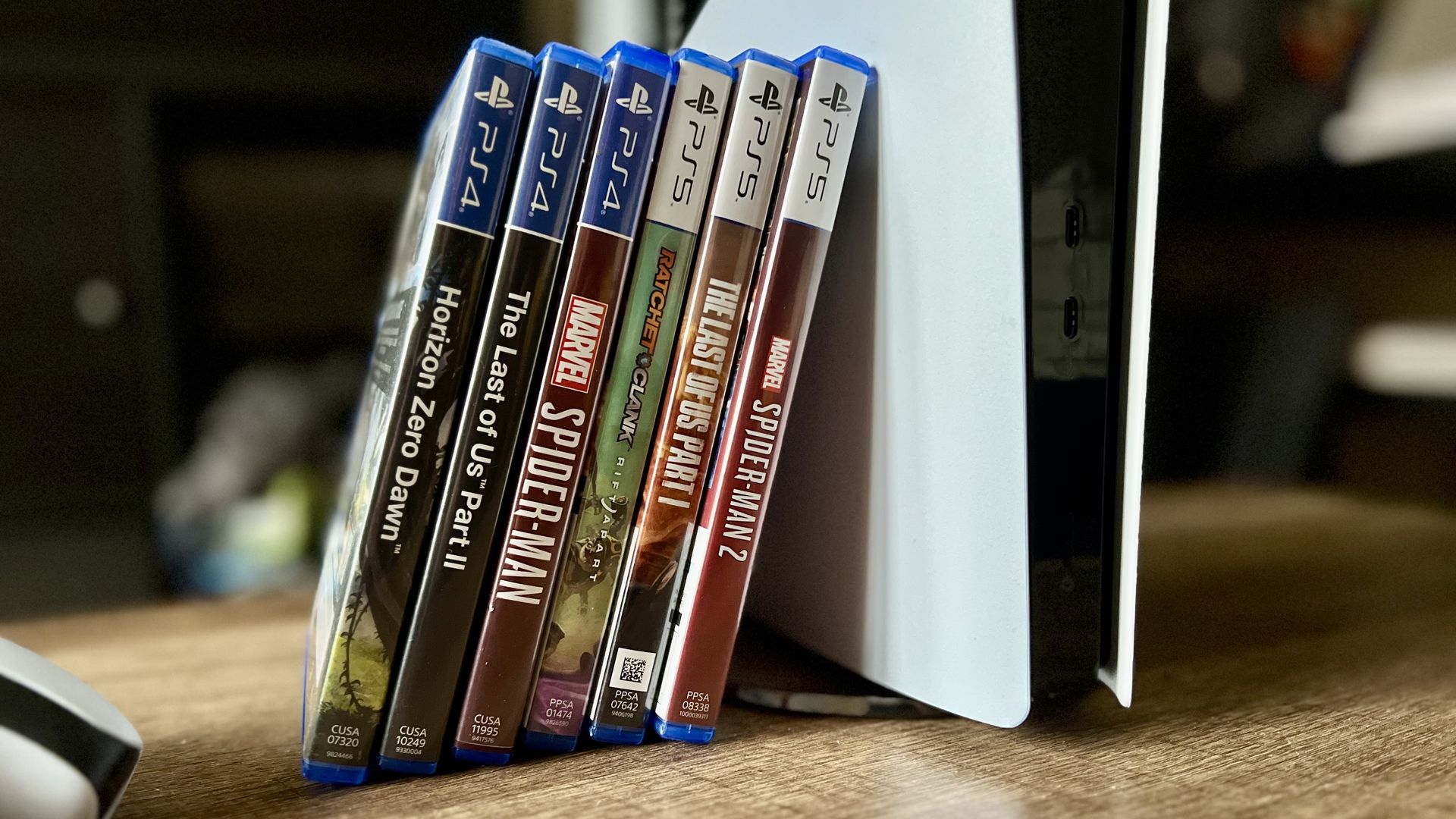
Prime Day PS5 deals are into their second day now, but when should you actually hold off until Black Friday?
Well, if we're talking a game you want to play as soon as possible at its lowest price yet I'd jump right in. While we could see an additional $5-or-so off later in the month, if we're already at rock-bottom pricing on an older release it's well worth getting the extra time in.
If you're looking at a more recent PS5 release with only $10 off, it's time to weigh up some options. There could be additional savings that drop these kinds of titles down to $39.99 or $49.99 later in the year. Whether that extra discount is worth a couple months of playtime is up to you.
Accessories are a little easier to pin down. Most of the best PS5 controllers and best PS5 headsets will be pretty firm in their discount rates between now and Black Friday. Amazon's October Big Deals event generally kicks off his holiday shopping window. If something's at a new record-low price now, it's unlikely to see significant extra savings later in the month. Retailers tend to rotate through the same discounts all the way up to, and often including, Black Friday in November. If we do see extra price cuts on more expensive gadgets, they'll often only be by an additional $10 or so.
2026 is a low-key revolutionary year for player movement in games
A lot of the 3D games I consider touchstones of thoughtful player movement are a decade or more old: Mirror's Edge, of course, Titanfall 2, Dishonored 2, Doom Eternal or ARMA 3. That's by no means a comprehensive list, but these are the games that come to mind when I think about in-game movement that feels incredibly considered. And if ARMA 3 feels out of place in that list, its sim-style tactical physicality is memorable to anyone who plays it even briefly (me).
These each set the ceiling high for what you could achieve with their controls, if you were prepared to learn them. Each offered a power fantasy of some kind to be mastered, whether you're wall-running onto a mech or peeking out across a field to line up a perfect shot.
In recent years, though, I feel like it's increasingly common to find developers who want to capture granular, basic movements from real life that have no power fantasy element whatsoever. Things that would've sounded so boring if they were back-of-the-box features during the age of Quake 2 and Half-Life. I'm talking about walking slowly. Steadily moving up a cliff face. Mantling awkwardly over surfaces. Getting defeated by a slightly high rock and taking the long way around. Falling on your arse if you tumble down a small hill.
They're about finding the fun in something as simple as balancing the packages you're carrying in Death Stranding, or escaping the mud in Snowrunner. 'Boring' games with a simulation aspect are as old as PC gaming itself, but this newer crop are tapping into something more universal and compelling that strikes a chord with players. Some of these games have ended up being GOTY frontrunners.
It was 2025's Baby Steps that got me thinking about this in more detail. The idea that just the act of walking without falling over into physics hell could be the entire game was maybe not revolutionary by itself, but the high-end execution was an important distinction. There's something about Baby Steps that I find uniquely pure: it breaks down a fundamental and often just functional part of any other game—putting one foot in front of another, then slowly repeating it—into its constituent parts, then rebuilds it. Every step matters. Every part of every step.
It's a beloved and award-winning game. I didn't finish it, but did throw two expletive-filled afternoons at it, and I respect the heck out of what it tries to accomplish.
The irony is, even though Baby Steps is not a power fantasy by most people's criteria, it was inspired by a game that clearly is one. Well, inspired by a particularly gruelling custom map for it, anyway: The Mirror's Edge mod Stratocubulus got you to rethink everything about Faith's moveset in the game and experiment with the level geometry in order to solve it. "It was the stuff that was ambiguous as to whether or not you could do it, stuff that you could puzzle over and push you into trying new ways of moving," said designer Gabe Cuzillo at GDC 2026, as captured by Wes. "That was really the experience we're interested in."
Some of this year's best games are distinguished because of how they use movement, too. There's Cairn, which turns climbing a mountain into a series of precise navigation puzzles with a resource management layer. There's Control Resonant, which marries a familiar superhero-style moveset to brain-bending switches in gravity. There's Vholume, which initially seems like a more stripped back version of Mirror's Edge parkour, except it's hiding incredible depth in its level layouts and mechanics.
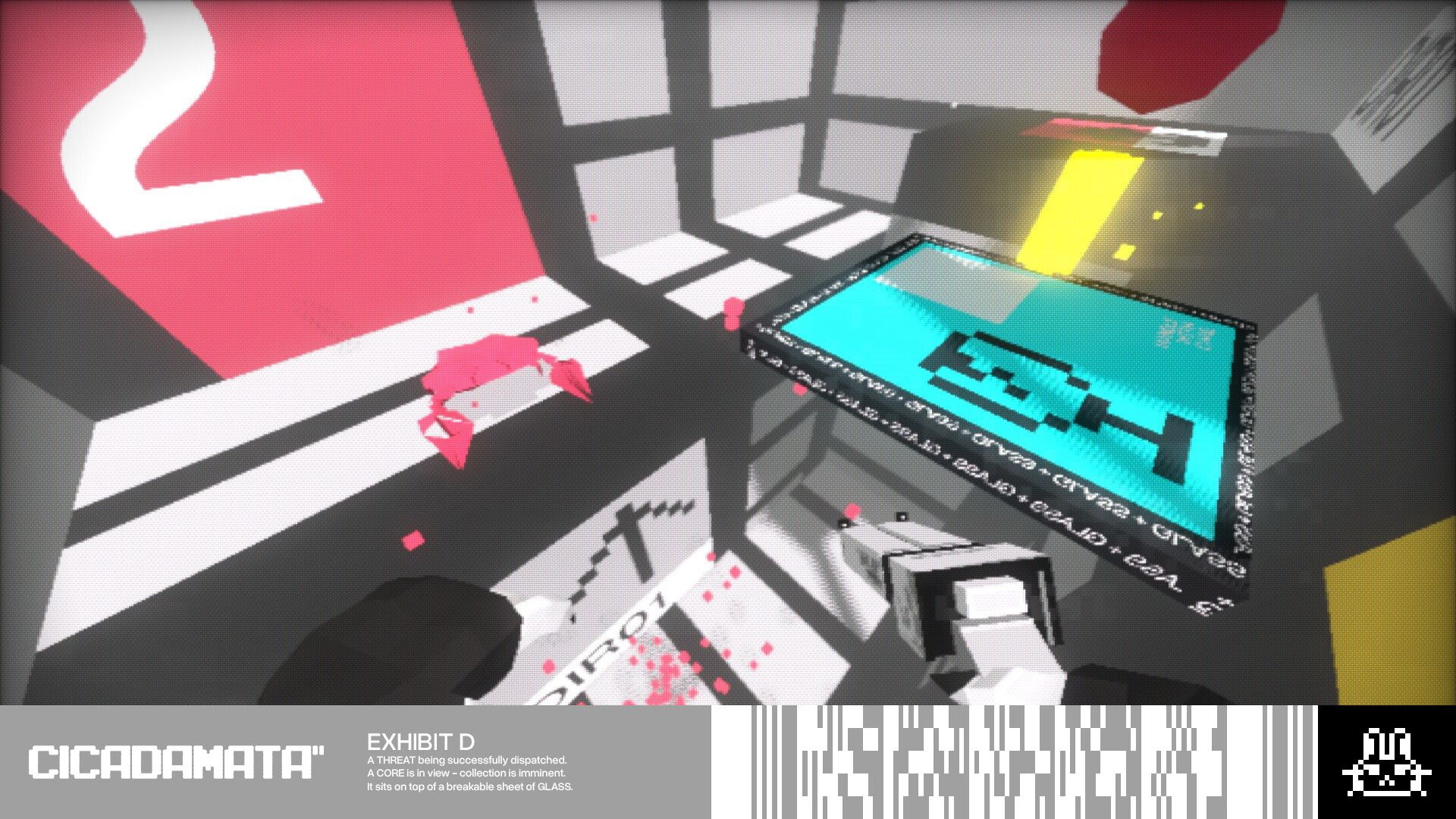
Doom: The Dark Ages' Revelations DLC added the chain spear, giving it some of Eternal's arena acrobatics, while Cicadamata's queasy FOV manipulation and towering triple jumps make it a singular proposition as a game about navigating a combat arena.
Then, of course, you have Big Walk, which is an entire game of trotting across a large map from A to B. The fantasy element is taking that journey with friends, but the actual walking part is not that easy. Just mantling over a knee-high surface can be challenging.
I don't think these games are deliberately part of a trend, but I do have a couple of theories on why we're seeing so much experimentation with movement. One is that this is the natural outcome of how long 3D games have been around now. There truly is a game for everything these days, whether it's a man walking around in a babygrow or the nightmare fuel sitting in the bottom rungs of Steam.
My second theory is that it's a reaction to control being taken from players with the rise of big-budget blockbusters in the late 2000s and 2010s. These things ebb and flow: Much like how action games have been curving towards hardcore combat inspired by FromSoftware games, players (and designers) are now drawn to a similar level of stimulation and craft in their character movement, whether they're about boring old walking or turning the player into Spider-Man.
Stripped back
Years ago I listened to an episode of Irrational Games' podcast where one of the developers pointed out that a reason Grand Theft Auto 3 was revolutionary was that it condensed what could've been a complex sequence of actions into a single button press: opening the door to a car, removing the driver, climbing into the car, turning the key and taking the steering wheel. GTA turned that into "Triangle." I don't know if I agreed with that theory—GTA 1 did it first in 1997—but I can see why a designer might think about it that way.
In general, the rise of big-budget multiplatform games started pushing PC games more towards console norms in terms of interface and how they played, in the name of offering an identical experience across all platforms. For movement, this marked a trend towards third-person games like Assassin's Creed, a series where very little input is needed to make your character climb across a series of rooftops.
That influence still extends to games like Ghost of Tsushima or Wolverine, where movement is trivial because you're only allowed to interact with certain parts of the game world. A jump doesn't exactly feel like a jump. Likewise, Uncharted—a series I love—sanded all the sharp edges off Tomb Raider's '90s platforming. Friction was stripped back in order to get millions of people to play. It worked.
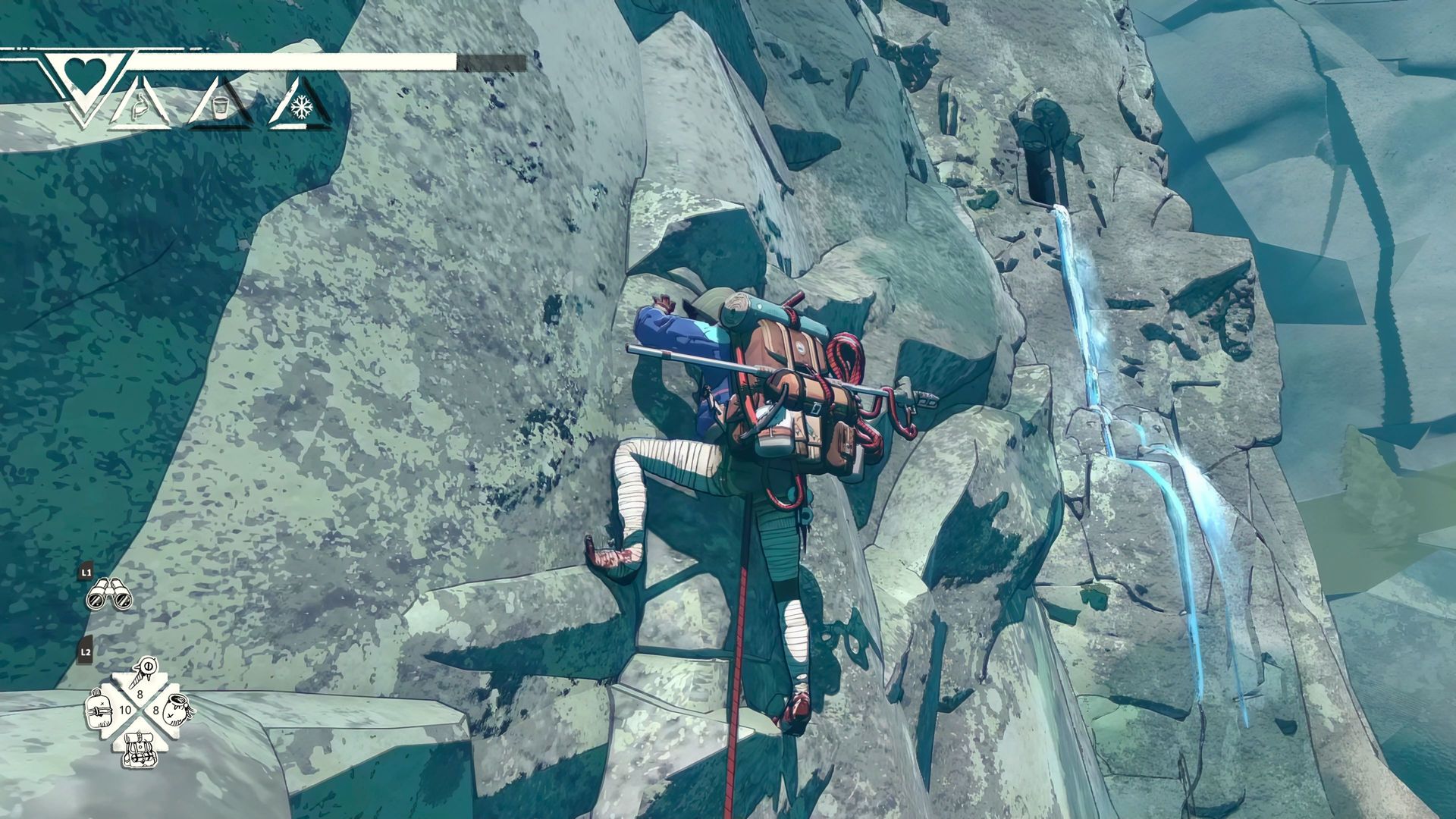
I personally feel that type of design is falling out of fashion. The reason games like Cairn, Baby Steps or Big Walk connect now is that they don't trivialise movement in this way. This is why I think these games could only exist now, with a very long history of 3D movement behind us.
There's something subversive about designers taking a step back and asking, 'well, what is movement, actually?' What do you have to accomplish to put one foot in front of the other? What happens to your body's positioning when you place the weight behind your left arm against a cliff face? Those are more interesting questions to ask than I ever thought they could be. There may be a whole universe of games inside those limitations.
Next up: let's take another step back and get even more granular about human movement. How about an incredibly hardcore 15-hour game just about the act of breathing, culminating with the objective to tie your shoelaces while holding in a gut? I'd find these motions even more relatable than Nate's trials in Baby Steps. I can see the GOTY nominations already.
Skydance konsolidiert Games-Sparte – und engagiert Kotick
 In der Games-Industrie entsteht ein neuer XXL-Publisher: Aus Warner Bros. Games und Paramount Games wird Skydance. Über Monate hinweg tobte eine heftige Übernahme-Schlacht rund um Warner Bros. Discovery – seit dieser Woche ist klar, dass Paramount den Entertainment- und Medien-Konzern für 110 Mrd. $ übernehmen darf. Unter der Dachmarke Skydance entsteht ein Imperium mit einem […]
Der Beitrag Skydance konsolidiert Games-Sparte – und engagiert Kotick erschien zuerst auf GamesWirtschaft.de.